
Understanding the cultural significance of gambling in modern society
Understanding the cultural significance of gambling in modern society
The Historical Context of Gambling
Gambling has been part of human civilization for centuries, weaving itself into the fabric of various cultures across the globe. From ancient China to the Roman Empire, people engaged in games of chance as a form of entertainment and social bonding. This historical backdrop illustrates how gambling was often viewed as a communal activity, allowing individuals to engage in risk-taking behavior that mirrored their societal values. When considering the available options, it’s crucial to identify the best south african online casino for your needs. Such early gambling practices were often accompanied by rituals, emphasizing their significance beyond mere financial gain.
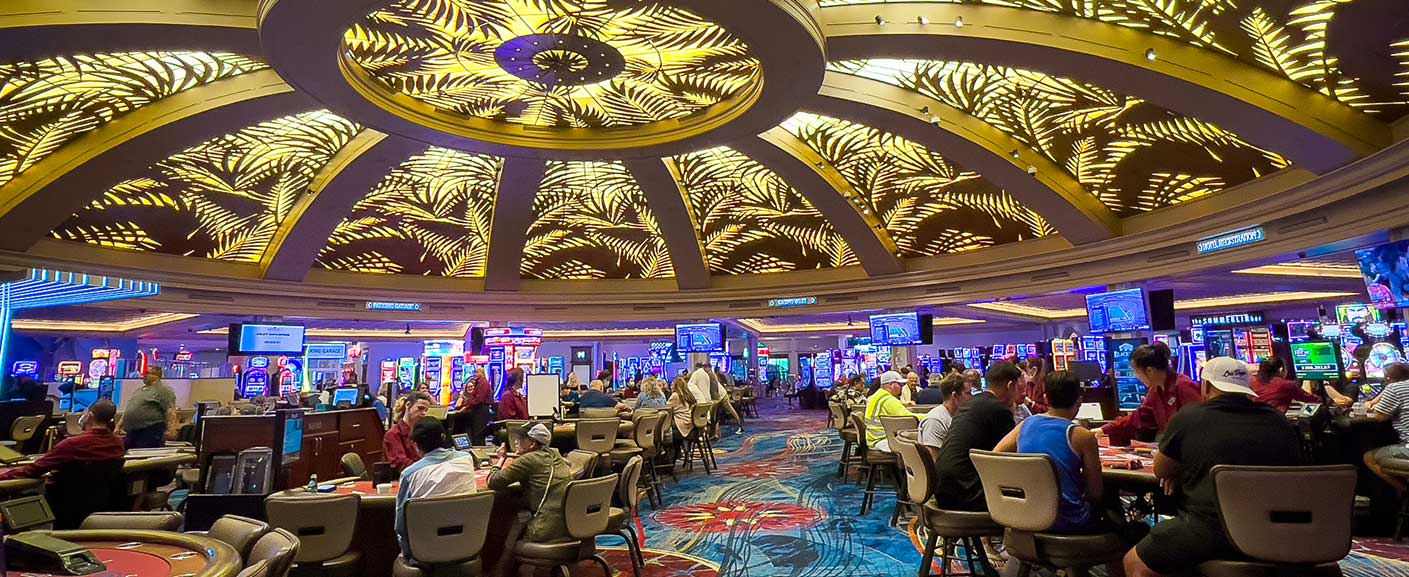
As societies evolved, so did the perception of gambling. In some cultures, it has been seen as a rite of passage, while in others, it has been met with skepticism and moral scrutiny. For instance, during the Middle Ages, gambling faced condemnation from religious institutions, which viewed it as sinful. However, despite this opposition, the allure of gambling persisted, ultimately leading to its resurgence in modern times as a legitimate form of entertainment and a significant economic driver.
This rich history underscores the fact that gambling has evolved from a simple pastime to a complex cultural phenomenon. It reflects societal shifts, economic changes, and technological advancements. In contemporary society, gambling has transitioned into various forms, from traditional casinos to online platforms, demonstrating its adaptability and lasting appeal. Understanding this historical context is crucial to grasping the cultural significance of gambling today.
The Role of Technology in Modern Gambling
The advent of technology has fundamentally transformed the gambling landscape, making it more accessible than ever before. Online casinos and mobile gaming apps have revolutionized how individuals engage with gambling. People can now place bets from the comfort of their homes or on the go, enhancing convenience and expanding the audience. This increased accessibility has attracted a diverse demographic, allowing younger generations to participate in gambling in ways that were previously unattainable.
Moreover, technology has improved the gaming experience by introducing immersive features like virtual reality and live dealer games. These innovations create a more engaging environment that mimics the thrill of being in a physical casino. Players can interact with real dealers and other participants in real time, making the experience more social and less solitary. This technological evolution also reflects broader societal trends towards digital interaction, further cementing gambling’s place in modern culture.
However, the integration of technology into gambling raises important questions regarding responsible gaming and addiction. While technology enhances the experience, it also makes it easier for individuals to gamble excessively. Awareness campaigns and the implementation of responsible gaming features are becoming increasingly important as society grapples with the duality of technology’s impact on gambling. This complex relationship underscores the need for a balanced understanding of both the opportunities and challenges presented by technological advancements.
Cultural Perceptions and Attitudes Towards Gambling
Cultural perceptions of gambling vary widely across different societies, influenced by factors such as religion, law, and social norms. In some cultures, gambling is celebrated as a form of entertainment and social engagement, often associated with festivals and communal gatherings. For example, in certain Asian cultures, gambling during the Lunar New Year is a tradition that signifies good fortune and prosperity, showcasing how deeply embedded gambling can be in cultural practices.
Conversely, in other cultures, gambling is stigmatized, viewed as a vice that leads to moral decay and social problems. This dichotomy reflects the broader societal attitudes towards risk-taking behavior and financial speculation. In regions where gambling is deemed unacceptable, individuals may face legal repercussions or social ostracism, which can lead to underground gambling activities. This tension highlights the complexity of gambling’s role in various cultural frameworks.
Furthermore, as globalization continues to influence cultural exchanges, the perception of gambling is evolving. People are increasingly exposed to different attitudes and practices through media and travel, leading to a re-examination of local beliefs about gambling. This cultural fluidity can promote a more nuanced understanding of gambling, encouraging dialogue about its implications and responsibilities in modern society.
The Economic Impact of Gambling on Society
Gambling has significant economic implications, contributing to job creation, tax revenues, and tourism. In many regions, casinos and online gambling platforms generate substantial income, supporting local economies and providing employment opportunities. This economic aspect often leads governments to embrace and regulate gambling, viewing it as a viable means of economic development. For instance, jurisdictions that legalize gambling frequently see an uptick in tourism, as visitors flock to casinos for entertainment.
Moreover, the revenue generated from gambling taxes can be funneled into public services, such as education and healthcare, amplifying its societal benefits. This symbiotic relationship between gambling and economic growth illustrates the complexities inherent in the industry’s role. While gambling can provide financial advantages, it also necessitates responsible regulations to mitigate potential negative social impacts, such as addiction and crime.
However, the economic benefits of gambling are not without controversy. Critics argue that the financial gains often come at the expense of vulnerable populations who may struggle with gambling addiction. This raises ethical questions about the morality of profiting from a behavior that can lead to significant societal harm. As the gambling industry continues to expand, society must navigate these dilemmas, seeking a balance between economic growth and social responsibility.

Exploring Responsible Gaming and Online Resources
As gambling becomes more integrated into modern culture, promoting responsible gaming has become essential. Organizations and websites dedicated to educating players about the risks associated with gambling are increasingly important. These resources offer guidance on setting limits, recognizing signs of addiction, and seeking help when necessary. The focus on responsible gaming reflects a cultural shift towards understanding gambling not just as entertainment but also as an activity that requires awareness and responsibility.
Furthermore, online platforms play a crucial role in this initiative by incorporating responsible gaming features. Tools such as self-exclusion options, deposit limits, and age verification processes are designed to protect vulnerable players from the risks associated with excessive gambling. These measures demonstrate a commitment to fostering a safer gaming environment, acknowledging that while gambling can be enjoyable, it must be approached with caution.
In conclusion, the cultural significance of gambling in modern society is multifaceted, encompassing historical, technological, and economic dimensions. As the industry evolves, the ongoing dialogue about responsible gaming and its implications remains crucial. By exploring these various facets, society can better understand gambling’s place in contemporary life and strive towards a balance that prioritizes both enjoyment and responsibility.