
Understanding the psychology behind gambling behavior in casinos
Understanding the psychology behind gambling behavior in casinos
The Thrill of Uncertainty
The psychology behind gambling behavior often revolves around the thrill of uncertainty. When individuals step into a casino, they are not just seeking monetary gain; they are drawn to the adrenaline rush that comes from placing bets. The unpredictability of outcomes keeps players engaged and eager for more, as each spin of the slot machine or roll of the dice presents a new opportunity to win. This excitement can create a cycle where players continue to gamble, hoping to recapture that initial high. For a different kind of thrill, the chicken road 2 game offers a unique arcade experience that sharpens reflexes without the reliance on luck.
The Role of Cognitive Biases
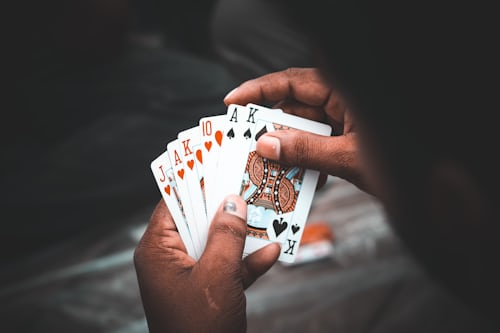
Cognitive biases significantly influence gambling behaviors in casinos. One prevalent bias is the illusion of control, where players believe they can influence outcomes through their actions or strategies. For instance, a gambler may think that using a specific betting system or making superstitious gestures can improve their chances. This misconception fosters a false sense of agency, prompting them to gamble more.
Emotional Factors in Gambling
Emotions play a crucial role in gambling behavior, often dictating when and how much individuals choose to wager. Many people turn to gambling as a form of escapism, seeking to relieve stress or enhance their mood. In these instances, the act of gambling becomes more than just a chance to win money; it transforms into a coping mechanism for dealing with life’s pressures. The experience of playing games like the chicken road 2 game provides an enjoyable alternative without the emotional highs and lows of traditional gambling.
Social Influences on Gambling Behavior
Social context also significantly impacts gambling behavior in casinos. Peer influence can encourage individuals to gamble, as friends or family members may promote a sense of camaraderie and collective experience. This social aspect can make gambling more appealing, as players share in the excitement and potential rewards together.
Insights and Resources on Gambling Psychology
“`